“The best laid schemes o’ mice an’ men gang aft agley”
— Robert Burns
The reasoning behind what lands Celeste and me in Edinburgh, Scotland, on the morning of August 12 goes like this: The impetus of this vacation was me needing to attend the Historical Novel Society conference in Maynooth, Ireland, on August 20-23. We’d already decided to “do Ireland” after the conference, but what to do before?
I was working under a time constraint: My dog-sitting stint was ending on August 11, and I’d determined that the best use of my time between the 11th and the conference was to travel somewhere nearby. So no safaris in Kenya or goldmining in South America; no, it had to be somewhere in the U.K. or Europe, and the first place the two of us agreed on was Scotland, specifically, Edinburgh.
We couldn’t have chosen better — the timing was perfect. Edinburgh was hosting both the Fringe Festival and the International Book Festival during our week there. We figured with so much on tap in Edinburgh to enjoy, we’d be foolish to go looking for entertainment elsewhere.
So it was all Edinburgh except for a one-day tour of the Highlands that included a stop at Loch Ness. The tour was lovely, but the lead-up was anything but. In our infinite wisdom, we’d decided to wait until we arrived in Edinburgh to book a tour, figuring there were bound to be several outfits offering tours to Loch Ness. But no; there’s pretty much just the one, Timberbush Tours. We made every effort to unearth the competition, but every sign, every person, every breeze in the air, sent us to Timberbush, to the extent we thought maybe the competitor was actually a scam. Right up until we spotted the competition’s van in the same parking lot as our bus. So not a scam; maybe just bad signage.
Finally, after much stealth work, we arrived at what we thought was the competition, but no, once again, we were at yet another Timberbush location, which seem to pop up on every other block in the city. What could we do but admit defeat and buy our two tickets from Timberbush.
I ask the woman at the counter for directions to the bus pickup location, and she pulls out her blue pen and draws a line on the map indicating how to get there, or if I wanted to go this other way, she says, and proceeds to draw that way on the map, and a third way for good measure, and soon the map is covered in blue lines. At that point I figured we better do a practice walk tomorrow if we were ever going to figure out this particular maze.
Which we attempt to do, and get completely lost in the tangle of blue lines. We wander around, thinking it’s got to be here somewhere, until we give up and head to the closest of the Timberbush stores to get a new map without blue lines. All becomes eminently clear, and the next day we’re at the bus stop 15 minutes early.
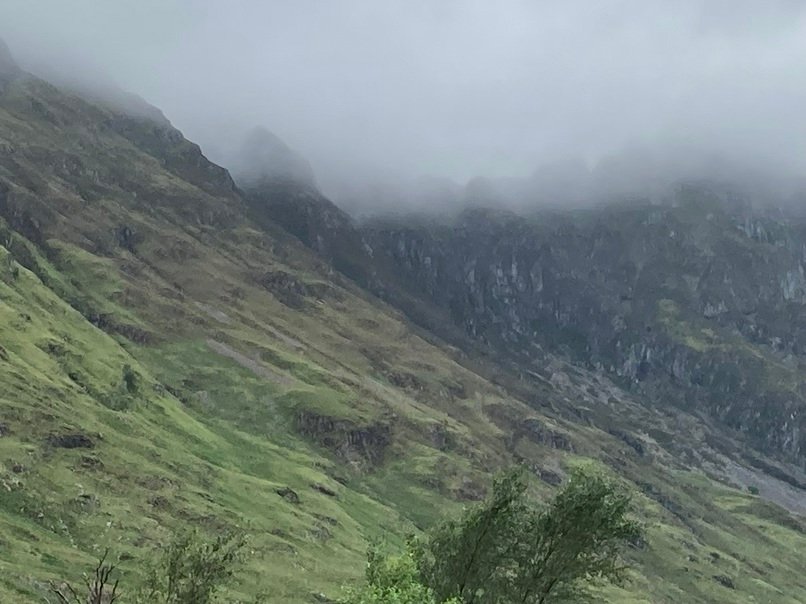
Alastair, our bus driver and tour guide, regales us with stories from Scottish history as we move from the Lowlands, where Edinburgh sits, to the Highlands, where Braveheart and the Loch Ness Monster lived. Or in the case of the monster, may still live. Braveheart and monsters aside, there is a gentleness to the Highlands, a place to get lost in.
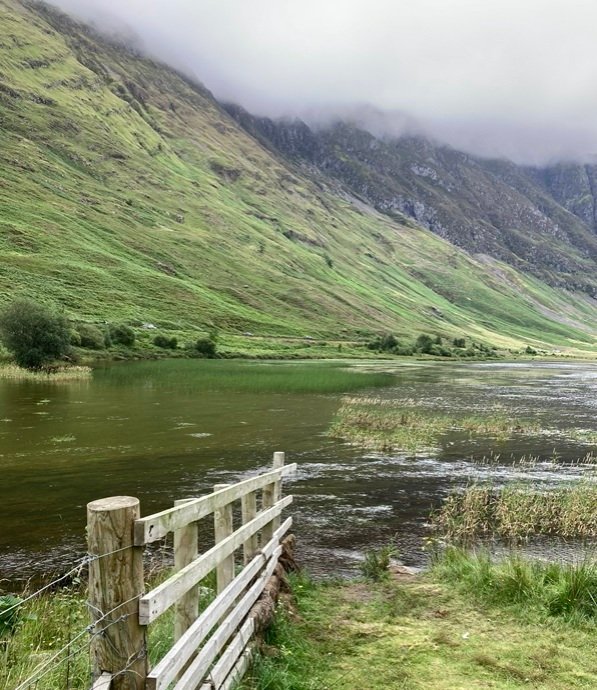
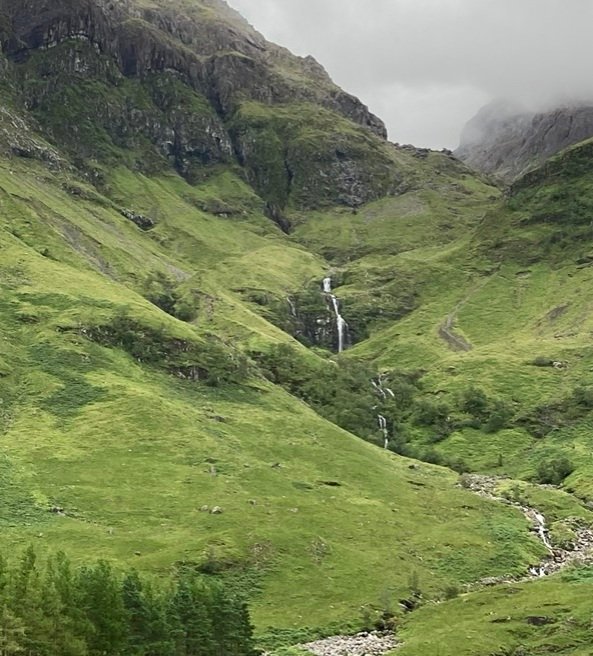
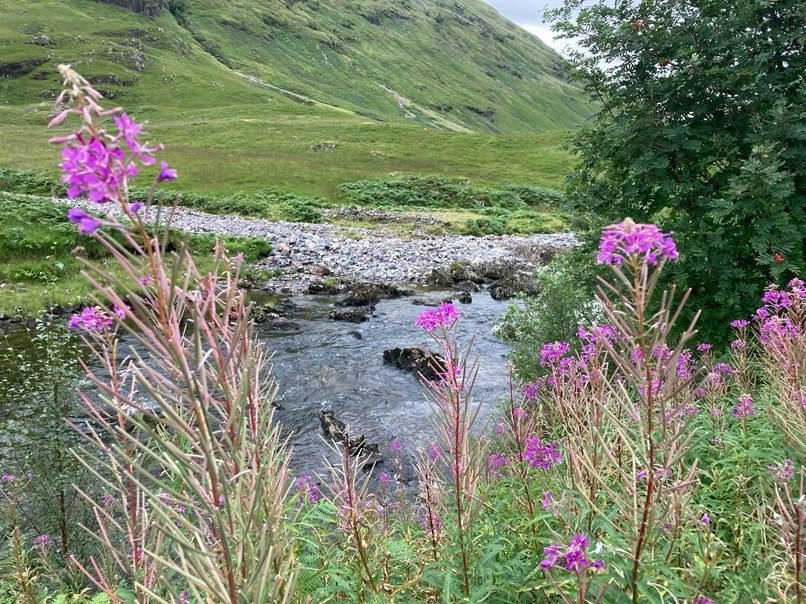
At Loch Ness, Celeste goes off to explore a castle ruin while I am off on a boat tour of Loch Ness. Except I spend too much time in the gift shop and miss my boat. But I do find a perfect plastic Nessie and off the two of us go on a hike up the mountaintop. We don’t make it to the top, but A for effort. Nessie loves her freedom.
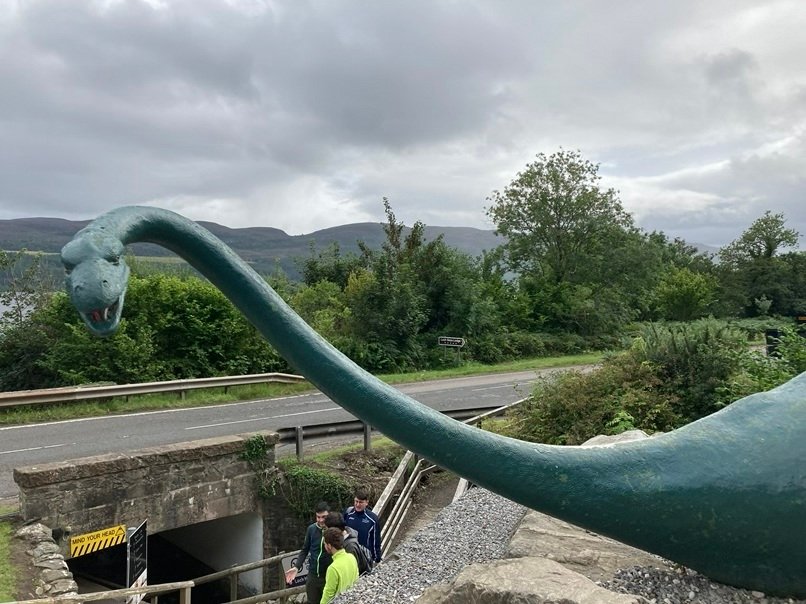
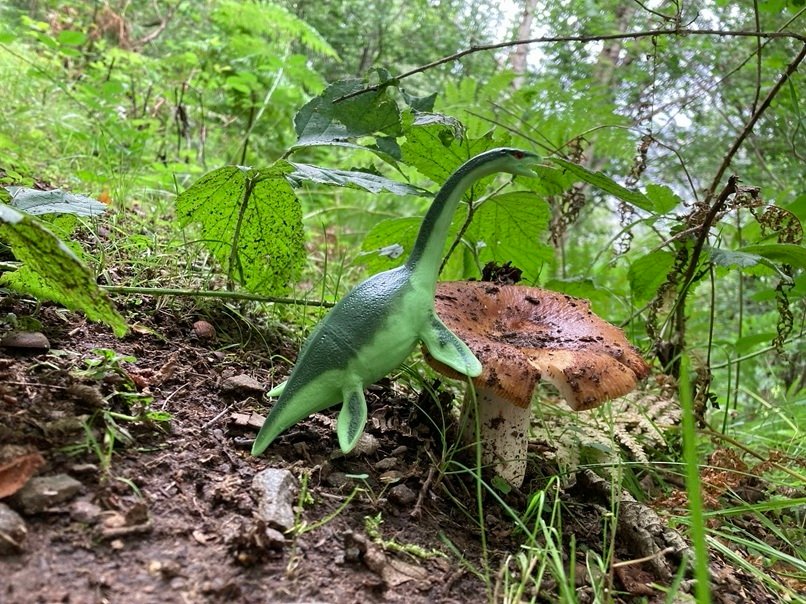
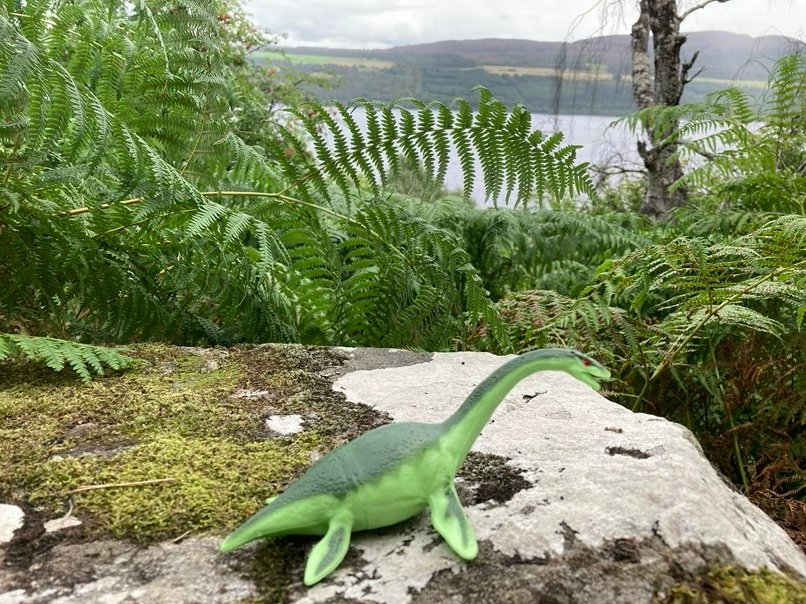
The good news is I got a refund for the missed boat tour and even better news: I didn’t miss the bus back to Edinburgh! The bad news is that when we got back to the city, the bus needed to drop us off at a different location than where we boarded in the morning. Alastair points us in the right direction, and we’re not doing too bad of a job of finding our way, right up until we hit a detour, which takes us who knows where and it’s anyone’s guess where we’ll end up and when. After one too many “let’s go this way” corners, we stopped to ask a group of revelers, who, to our good fortune, were Edinburghers, but not so fortunate, were at the tipsy part of their evening. But they got us going in a new direction, albeit feeling less than confident as we heard our direction-giver as she giggled to her friends, “I can never give directions.” And apparently I never take them.
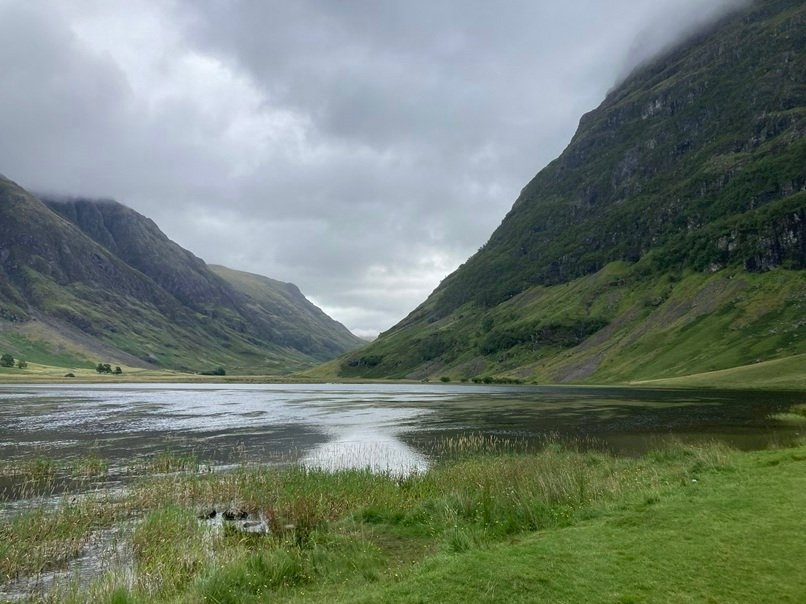
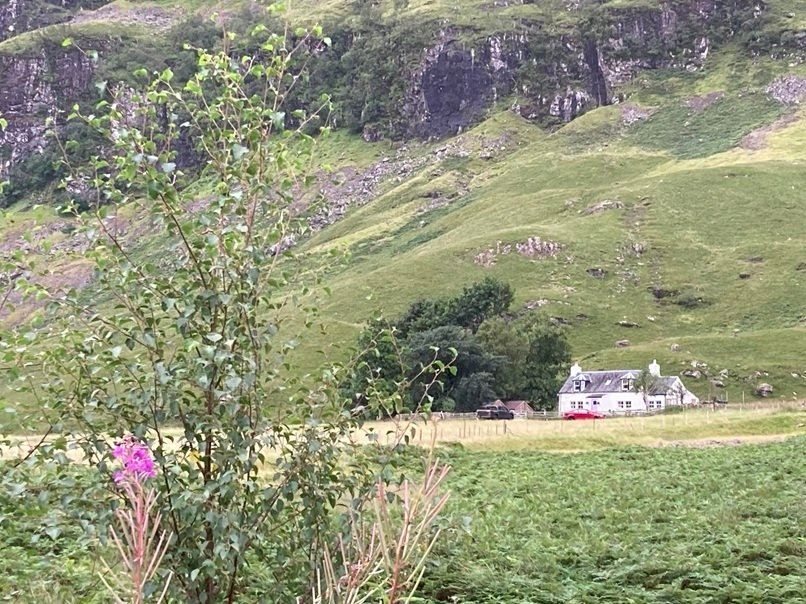
Next week: Edinburgh. In the meantime, I’m going to forgo my usual musical selections for the next couple of weeks during this spell of “On the Road” posts.

Leave a Reply